
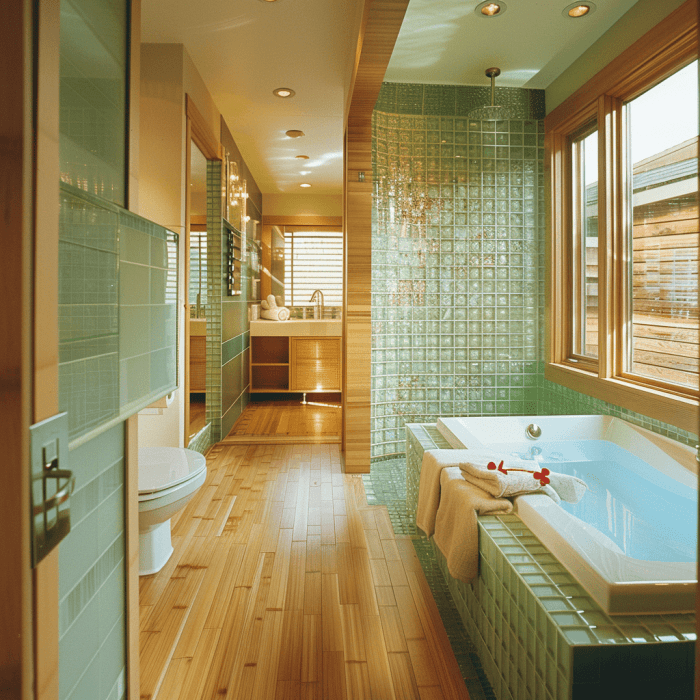
As architecture and interior design take center stage, this opening passage beckons readers into a world crafted with good knowledge, ensuring a reading experience that is both absorbing and distinctly original. From shaping spaces to influencing functionality, the interplay between architecture and interior design is a fascinating journey awaiting exploration.
Delve into the essential elements of architectural design, the principles that govern interior spaces, and the innovative solutions driving sustainable practices in this dynamic field.
Importance of Architecture and Interior Design
Architecture and interior design play a crucial role in shaping spaces, creating environments that are not only visually appealing but also functional and efficient. These disciplines have a significant impact on the way we interact with our surroundings and can influence our mood, productivity, and overall well-being.
Significance of Architecture and Interior Design
Architecture determines the overall structure and layout of a building, considering factors such as safety, accessibility, and aesthetics. On the other hand, interior design focuses on the interior spaces, optimizing them for comfort, usability, and aesthetics.
- Architectural projects like the Sydney Opera House in Australia or the Burj Khalifa in Dubai have become iconic landmarks, showcasing the power of architecture to redefine city skylines and capture the imagination of people worldwide.
- Interior design projects like the renovation of The Plaza Hotel in New York City or the restoration of the Palace of Versailles in France demonstrate how interior spaces can be transformed to reflect a specific style or historical period while enhancing the functionality and appeal of the building.
Residential versus Commercial Spaces
Architecture and interior design play different roles in residential and commercial spaces, catering to the specific needs and preferences of the occupants.
- In residential spaces, architecture focuses on creating a comfortable and functional living environment for individuals and families, while interior design adds personality and style to reflect the occupants’ lifestyle and taste.
- In commercial spaces, architecture aims to optimize the layout for business operations, customer flow, and branding, while interior design enhances the customer experience, promotes productivity, and communicates the brand identity.
Elements of Architecture
Architecture is a complex art form that involves various elements working together to create functional and visually appealing spaces. These elements play a crucial role in defining the form, function, and structure of a building. Let’s delve into the essential components of architectural design.
Form
Form in architecture refers to the overall shape and appearance of a building. It encompasses elements such as massing, scale, proportion, and symmetry. The form of a structure can greatly impact how it is perceived and experienced by individuals.
Function
The function of a building is one of the most fundamental elements of architectural design. It involves understanding the purpose and intended use of the space being designed. Architects must carefully consider how the layout, circulation, and spatial organization will support the activities that will take place within the building.
Structure
Structure is the backbone of any architectural design, providing support and stability to the building. It involves the arrangement of elements to ensure that the building can safely withstand loads and forces. The structural system also plays a significant role in determining the overall aesthetic of a structure.
Materials and Textures
Materials and textures are essential in creating visual interest and tactile experiences within a space. The choice of materials can impact the durability, sustainability, and aesthetics of a building. Textures, on the other hand, can add depth and richness to architectural surfaces, enhancing the overall design.
Lighting
Lighting is a critical element in architecture, as it not only illuminates a space but also enhances the architectural elements within it. Proper lighting design can highlight textures, emphasize form, and create ambiance. Natural light, artificial light, and the interplay between the two play a vital role in shaping the perception of architectural spaces.
Traditional vs. Modern Styles
Traditional architectural styles often draw inspiration from historical precedents, cultural influences, and regional contexts. They are characterized by ornate details, symmetrical layouts, and craftsmanship. In contrast, modern architectural approaches prioritize simplicity, minimalism, and innovation. They focus on clean lines, open spaces, and the use of new materials and technologies.
Interior Design Principles
Interior design principles play a crucial role in creating functional and aesthetically pleasing spaces. Key principles such as balance, harmony, and rhythm are essential in achieving a cohesive design that enhances the overall appeal of a space.
Balance
Balance in interior design refers to the equal distribution of visual weight in a room. This can be achieved through symmetrical or asymmetrical balance. Symmetrical balance involves placing identical objects on either side of a central axis, creating a sense of stability.
On the other hand, asymmetrical balance involves using different objects with similar visual weight to create a balanced composition.
Harmony
Harmony in interior design is the coordination of all elements to create a unified and cohesive look. This can be achieved through color schemes, patterns, and textures that complement each other. By maintaining harmony in a space, the overall design feels cohesive and well put together.
Rhythm
Rhythm in interior design refers to the visual flow and movement within a space. This can be achieved through repetition, progression, or contrast of elements. By incorporating rhythm into a design, a sense of visual interest and movement is created, guiding the eye throughout the space.
Color Schemes
Color schemes play a significant role in interior design as they can evoke different emotions and set the tone for a space. Warm colors like red, orange, and yellow can create a cozy and inviting atmosphere, while cool colors like blue and green can promote a sense of calmness and serenity.
By carefully selecting and combining colors, designers can create the desired ambiance in a space.
Furniture Layout
The layout of furniture in a space is crucial in determining the functionality and flow of a room. Proper furniture arrangement can optimize space, create designated areas for different activities, and enhance the overall balance and harmony of the design.
By considering the scale, proportion, and function of each piece, designers can create a space that is both functional and visually appealing.
Incorporating Nature
Nature can be a great source of inspiration in interior design, bringing elements of the outdoors inside. Creative ways to incorporate nature into interior spaces include using natural materials like wood and stone, adding plants for a touch of greenery, and maximizing natural light to create a bright and airy atmosphere.
By integrating nature into the design, spaces can feel more organic, calming, and rejuvenating.
Sustainable Architecture and Interior Design
Sustainability is a crucial aspect of modern architecture and interior design, focusing on reducing environmental impact and promoting the efficient use of resources. By integrating sustainable practices, designers can create spaces that are not only aesthetically pleasing but also environmentally friendly.
Importance of Sustainability
Sustainability in architecture and interior design plays a vital role in reducing carbon footprint and preserving natural resources for future generations. It involves using eco-friendly materials, energy-efficient systems, and innovative design solutions to create sustainable buildings.
Eco-Friendly Materials in Sustainable Design
- Bamboo: A rapidly renewable resource that can be used for flooring, furniture, and decorative elements.
- Recycled Glass: Used for countertops, tiles, and lighting fixtures, reducing the need for new raw materials.
- Cork: Sustainable material harvested from the bark of cork oak trees, used for flooring and wall coverings.
Energy-Efficient Practices in Design
- Passive Solar Design: Orienting buildings to maximize natural light and heat, reducing the need for artificial lighting and heating.
- High-Performance Insulation: Using insulation materials to improve energy efficiency and reduce heating and cooling costs.
- Energy-Efficient Appliances: Selecting appliances with high energy efficiency ratings to minimize electricity consumption.
Examples of Innovative Sustainable Design
One prime example of innovative sustainable design is the Bullitt Center in Seattle, which is a net-zero energy building that produces more energy than it consumes. The building features solar panels, rainwater harvesting systems, and natural ventilation to reduce energy usage and environmental impact.
Last Word
In conclusion, the intricate dance between architecture and interior design offers a rich tapestry of creativity, functionality, and sustainability. From classic styles to cutting-edge innovations, the world of architecture and interior design continues to captivate with its endless possibilities.
Top FAQs
How do architecture and interior design influence the functionality of buildings?
Architecture and interior design play a crucial role in optimizing the layout, flow, and usability of spaces within a building, ensuring that they meet the needs of occupants efficiently.
What are some examples of famous architectural and interior design projects?
Some iconic projects include the Guggenheim Museum in Bilbao, Spain, designed by Frank Gehry, and the Fallingwater house in Pennsylvania, designed by Frank Lloyd Wright.
Why is sustainability important in architecture and interior design?
Sustainability is crucial to reduce environmental impact, conserve resources, and create healthier spaces for occupants both now and in the future.