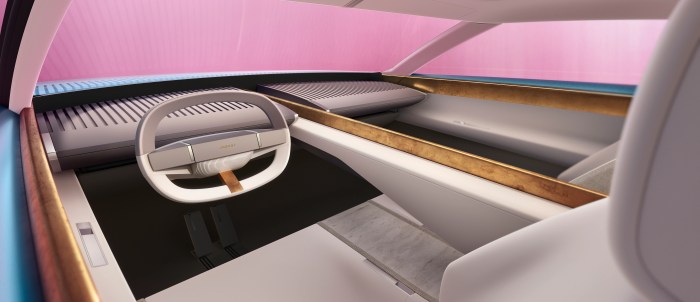
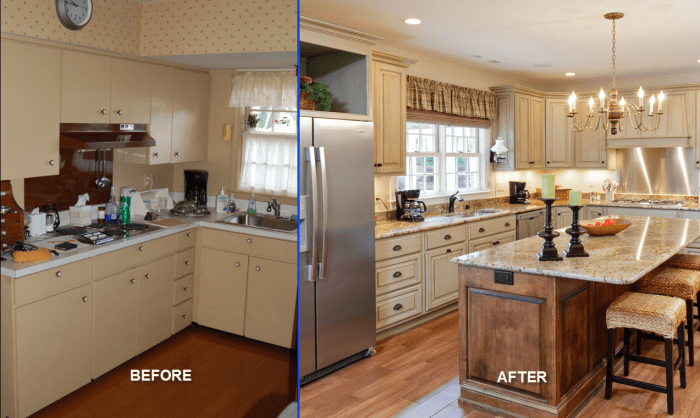
Architectural interior design sets the stage for this enthralling narrative, offering readers a glimpse into a story that is rich in detail and brimming with originality. From the fundamental principles to the innovative technology shaping the field, this topic delves deep into the heart of designing captivating interiors that marry aesthetics with functionality.
As we unravel the layers of architectural interior design, we uncover the intricate dance between form and function, beauty and purpose, creating spaces that inspire and delight.
Introduction to Architectural Interior Design
Architectural interior design is the art and science of enhancing the interior of a building to achieve a healthier and more aesthetically pleasing environment for the people using the space. It involves the manipulation of spatial volume as well as surface treatment for the betterment of human functionality and the beautification of the interior environment.
The relationship between architectural interior design and the overall building design is crucial as the interior spaces need to complement and enhance the overall architectural concept of the building. The interior design should reflect the purpose of the space, the needs of the occupants, and the architectural style of the building to create a harmonious and cohesive environment.
Key Elements of Architectural Interior Design
- Space Planning: Efficient utilization of space to create functional and comfortable interior layouts.
- Color Palette: Selection of appropriate colors to evoke specific moods and enhance the overall design aesthetic.
- Lighting: Strategic placement of lighting fixtures to illuminate spaces and create ambiance.
- Materials and Finishes: Use of quality materials and finishes to add texture, depth, and visual interest to the interior spaces.
- Furniture and Accessories: Selection and placement of furniture and decor items to enhance the functionality and visual appeal of the space.
Principles of Architectural Interior Design
Interior design in architecture is guided by several fundamental principles that ensure spaces are not only aesthetically pleasing but also functional and practical. These principles help designers create spaces that are harmonious, balanced, and conducive to the needs of the occupants.
Unity and Harmony
Unity and harmony are essential principles in architectural interior design. This involves creating a cohesive and consistent look throughout a space by using similar design elements such as colors, materials, and textures. For example, in a modern living room, the use of a consistent color palette and sleek furniture can create a sense of unity and harmony.
Balance
Balance is another key principle that designers consider when creating interior spaces. There are two types of balance: symmetrical and asymmetrical. Symmetrical balance involves creating a mirror image on either side of a central axis, while asymmetrical balance involves achieving equilibrium through the strategic placement of different elements.
For instance, in a bedroom, placing a large bed on one side and a small nightstand on the other can create asymmetrical balance.
Proportion and Scale
Proportion and scale refer to the size and relationship of elements within a space. Designers must consider the proportions of furniture, fixtures, and architectural features to ensure they are appropriately scaled to the room. For example, in a high-ceilinged dining room, using large chandeliers and tall furniture can help fill the vertical space and create a sense of proportion.
Rhythm and Contrast
Rhythm and contrast add visual interest and depth to interior spaces. Rhythm involves creating a sense of movement and flow through repetition of design elements, such as patterns or shapes. Contrast, on the other hand, involves juxtaposing different elements to create visual impact.
In a contemporary kitchen, using a repeated geometric pattern on backsplash tiles can create rhythm, while pairing it with dark cabinets for contrast.
Functionality
Functionality is a crucial principle in architectural interior design, ensuring that spaces are not only visually appealing but also practical and usable. Designers must consider the needs and lifestyle of the occupants when planning layouts and selecting furnishings. For instance, in a workspace, incorporating ergonomic furniture and adequate lighting can enhance productivity and comfort.
Elements of Architectural Interior Design
Architectural interior design is composed of several essential elements that work together to create functional and aesthetically pleasing spaces. These elements include lighting, color, texture, materials, furniture, and fixtures.
Lighting
Lighting plays a crucial role in architectural interior design as it can significantly impact the mood, functionality, and overall ambiance of a space. Properly designed lighting can highlight architectural features, create focal points, and enhance the overall design aesthetic.
Color
Color selection is a key element in interior design as it can influence the perceived size of a space, create a specific atmosphere, and evoke emotions. Different color palettes can be used to achieve various design goals, from creating a cozy feel with warm tones to enhancing a sense of spaciousness with light colors.
Texture
Texture adds depth and dimension to interior spaces, creating visual interest and tactile experiences. Incorporating a variety of textures, such as smooth surfaces, rough finishes, or soft fabrics, can enrich the design and make the space more inviting and dynamic.
Materials
The choice of materials in architectural interior design is crucial for both aesthetic appeal and functionality. Different materials, such as wood, metal, glass, or stone, can be used to convey a particular style, provide durability, and contribute to the overall design concept.
Furniture and Fixtures
Furniture and fixtures are essential elements that not only serve functional purposes but also contribute to the overall design scheme. The selection of furniture pieces, such as sofas, tables, and chairs, can define the style of a space, while fixtures like lighting fixtures, faucets, and hardware add detail and character to the design.
Spatial Planning in Architectural Interior Design
Spatial planning is a crucial aspect of architectural interior design, as it involves strategically organizing and arranging spaces within a building to optimize functionality and flow. This process considers the relationship between different areas, circulation paths, and the overall user experience within the space.
Importance of Functionality and Flow
Effective spatial planning ensures that the layout of a space meets the needs and requirements of its users. By carefully considering how people will move through and interact with the space, designers can create environments that are both practical and aesthetically pleasing.
For example, in a residential setting, proper spatial planning can result in an open-concept layout that maximizes natural light and promotes social interaction.
Examples of Innovative Solutions
- Flexible Partition Systems: Using movable walls or partitions allows spaces to be easily reconfigured to accommodate different activities or functions.
- Multifunctional Furniture: Incorporating furniture pieces that serve multiple purposes, such as storage ottomans or convertible sofa beds, can help maximize space in smaller areas.
- Zoning Techniques: Creating distinct zones within a space for specific activities, such as a study area within a living room or a dining nook in a kitchen, helps to define functionality and improve overall flow.
- Vertical Space Utilization: Implementing storage solutions that make use of vertical space, such as floor-to-ceiling shelving or lofted beds, can optimize storage capacity without sacrificing floor space.
Materials and Finishes in Architectural Interior Design
When it comes to architectural interior design, the selection of materials and finishes plays a crucial role in shaping the overall look and feel of a space. The choice of materials not only impacts the aesthetics of a design but also influences its durability and sustainability.
In this section, we will delve into the significance of materials and finishes in architectural interior design and explore the trends in the industry.
Impact of Material Choices
The materials used in architectural interior design can significantly impact the aesthetics of a space. For instance, using natural materials like wood and stone can create a warm and inviting atmosphere, while sleek metals and glass can give a more contemporary and industrial feel.
Additionally, the choice of materials also affects the durability of a design, with some materials being more resistant to wear and tear than others. Moreover, sustainability has become a key consideration in the selection of materials, with designers opting for eco-friendly options that have minimal environmental impact.
Trends in Materials and Finishes
In recent years, there has been a shift towards using sustainable and recycled materials in architectural interior design. Designers are increasingly incorporating materials like reclaimed wood, bamboo, and recycled glass into their projects to promote environmental consciousness. Additionally, there is a growing interest in exploring unconventional materials and finishes, such as concrete, steel, and terrazzo, to create unique and innovative designs.
The use of mixed materials and textures is also a popular trend, adding depth and visual interest to interior spaces.
Technology and Innovation in Architectural Interior Design
Technology plays a crucial role in shaping the way architectural interior design practices are carried out. From smart home solutions to innovative design concepts, the integration of technology has revolutionized the way interior spaces are designed and experienced.
Integration of Smart Home Technology and Automation
In today’s modern homes, smart home technology has become increasingly popular, offering homeowners convenience, efficiency, and comfort. The integration of smart devices such as thermostats, lighting systems, security cameras, and voice-controlled assistants has transformed interior spaces into smart, connected environments.
Automation allows for the seamless control of various systems within a home, enhancing the overall functionality and user experience.
Innovative Design Solutions Leveraging Technology
Architectural interior designers are constantly exploring innovative design solutions that leverage technology to create unique and functional spaces. From interactive installations to digital projections, technology is being used to enhance the aesthetic appeal and functionality of interior designs. Virtual reality and augmented reality tools are also being utilized to provide clients with immersive experiences and realistic visualizations of their future spaces.
Concluding Remarks
In conclusion, architectural interior design is a harmonious blend of artistry and practicality, where every element plays a crucial role in shaping the ambiance of a space. From spatial planning to material selection, this discipline offers endless possibilities for creating environments that resonate with the human experience.
Dive into the world of architectural interior design and unlock the potential to transform spaces into works of art.
FAQ Guide
What sets architectural interior design apart from regular interior design?
Architectural interior design focuses on the structural elements of a space, integrating them seamlessly with the aesthetics to create a cohesive design that complements the overall architecture of the building.
How important is lighting in architectural interior design?
Lighting plays a crucial role in setting the mood and highlighting architectural features. It can transform the perception of space and enhance the overall design.
What are some innovative spatial planning solutions in architectural interior design?
From open floor plans to flexible furniture arrangements, innovative spatial planning solutions maximize functionality and flow within a space, adapting to the evolving needs of its inhabitants.