How to Build an LLC for Real Estate Design Firms sets the stage for this enthralling narrative, offering readers a glimpse into a story that is rich in detail and brimming with originality from the outset.
In this guide, we will delve into the essential steps and considerations involved in establishing an LLC for real estate design firms, providing a roadmap for success in this industry.
Researching LLCs for Real Estate Design Firms
When considering setting up an LLC for your real estate design firm, it is crucial to understand the benefits, differences from other business structures, and the steps involved in the process.
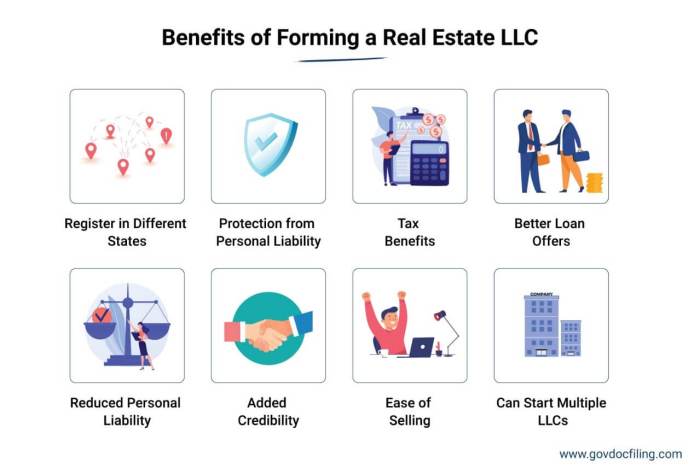
Benefits of Forming an LLC for a Real Estate Design Firm
- Limited Liability: As the name suggests, forming an LLC protects your personal assets from business debts and liabilities.
- Tax Flexibility: LLCs have the option to choose how they want to be taxed, either as a pass-through entity or as a corporation.
- Flexibility in Management: LLCs offer more flexibility in management structure compared to corporations, allowing for a more customized approach.
Key Differences Between an LLC and Other Business Structures
- Ownership Structure: LLCs have a more flexible ownership structure compared to corporations, allowing for a more diverse ownership setup.
- Taxation: LLCs have pass-through taxation, meaning profits and losses are passed through to the owners’ personal tax returns, avoiding double taxation.
- Regulatory Requirements: LLCs have fewer regulatory requirements compared to corporations, making them easier to maintain.
Steps Involved in Setting Up an LLC for a Real Estate Design Firm
- Choose a Name: Select a unique name for your LLC that complies with state regulations.
- File Articles of Organization: Prepare and file the necessary paperwork with the state to formally establish your LLC.
- Create an Operating Agreement: Define the ownership and operating procedures of your LLC by creating an operating agreement.
- Obtain Licenses and Permits: Depending on your location and the nature of your business, you may need to obtain specific licenses and permits.
- Open a Business Bank Account: Keep your personal and business finances separate by opening a dedicated business bank account.
Choosing a Name and Location
When starting an LLC for a real estate design firm, one of the crucial steps is selecting a name that is unique, relevant, and represents your brand effectively. The name you choose will be a key part of your business identity and will impact how clients perceive your services.
Choosing a Name
- Ensure the name is not already in use by another business in the same industry to avoid legal issues.
- Choose a name that reflects the nature of your real estate design services to attract potential clients.
- Consider the future growth and expansion of your firm when selecting a name to ensure it remains relevant.
Checking Name Availability
- Check the availability of the chosen name by searching the online database of the Secretary of State where you plan to register your LLC.
- Ensure the name is not trademarked to prevent any infringement issues down the line.
- Consider reserving the name if it’s available to secure it for a certain period until you complete the registration process.
Location Impact
- The location of your LLC can impact your business in terms of taxes, regulations, and access to clients.
- Choose a location that is convenient for your target market and allows for growth and expansion.
- Research the local zoning laws and regulations to ensure your real estate design firm complies with all requirements.
Creating an Operating Agreement
When establishing an LLC for a real estate design firm, it is crucial to create a comprehensive operating agreement that Artikels the structure and operations of the business. An operating agreement is a legal document that governs the internal workings of the LLC and helps prevent misunderstandings between members.
Components of an Operating Agreement
- Ownership percentage of each member
- Roles and responsibilities of each member
- Decision-making process
- Profit and loss distribution
- Rules for adding or removing members
- Dispute resolution mechanisms
Benefits of a Well-Drafted Operating Agreement
- Clarifies the rights and obligations of each member
- Helps maintain limited liability protection for members
- Prevents internal conflicts and disputes
- Provides a roadmap for the business’s operations and growth
- Enhances credibility with clients, investors, and partners
Tips for Customizing an Operating Agreement
- Consult with all members to ensure their input is included
- Consider the specific needs and goals of the real estate design firm
- Use clear and concise language to avoid ambiguity
- Review and update the operating agreement regularly to reflect changes in the business
- Seek legal advice to ensure compliance with state laws and regulations
Registering the LLC
When it comes to registering an LLC for a real estate design firm, there are specific legal requirements and documents that need to be addressed. It is crucial to follow the necessary steps to ensure that your business is properly set up and compliant with regulations.
Legal Requirements and Documents Needed for Registration
Registering an LLC involves submitting the required paperwork to the appropriate state agency. The documents typically include the Articles of Organization, which Artikel the basic information about your LLC, such as its name, address, and purpose. Additionally, you may need to draft an Operating Agreement, which details the ownership and management structure of the LLC.
It is essential to carefully review the specific requirements of the state where you are registering your LLC to ensure compliance.
Significance of Obtaining an Employer Identification Number (EIN)
- An Employer Identification Number (EIN) is a unique nine-digit number assigned by the IRS to identify your business entity.
- Obtaining an EIN is necessary for opening a business bank account, hiring employees, and filing taxes for your LLC.
- It is important to apply for an EIN as soon as your LLC is approved to ensure smooth operations and compliance with tax regulations.
Managing Finances and Taxes
Effective management of finances is crucial for the success of a real estate design firm operating as an LLC. It involves strategic planning, budgeting, and maintaining accurate financial records. Additionally, understanding the tax implications and advantages of running the business as an LLC is essential for compliance and financial stability.
Keeping personal and business finances separate is also key to protecting personal assets and maintaining the limited liability protection offered by the LLC structure.
Strategies for Managing Finances Effectively
- Develop a detailed budget outlining expenses and projected income to ensure financial stability and growth.
- Regularly monitor cash flow to identify any potential issues and make informed financial decisions.
- Consider hiring a professional accountant or bookkeeper to manage finances and ensure compliance with tax regulations.
- Explore investment opportunities to diversify income streams and maximize financial resources.
Tax Implications and Advantages of Running an LLC
- LLCs offer pass-through taxation, meaning profits and losses are reported on the owner’s personal tax return, simplifying tax filings.
- Owners can take advantage of tax deductions for business expenses, such as office supplies, travel, and professional services.
- LLCs provide limited liability protection, shielding personal assets from business debts and legal liabilities.
- Consult with a tax professional to ensure compliance with tax laws and maximize tax benefits available to LLCs.
Importance of Keeping Personal and Business Finances Separate
- Separating personal and business finances maintains the limited liability protection of the LLC, ensuring personal assets are not at risk in case of business debts or lawsuits.
- It simplifies accounting and tax reporting, making it easier to track business expenses, income, and deductions accurately.
- Having separate accounts also enhances financial transparency and credibility, especially when seeking financing or partnerships.
- Regularly reviewing financial statements for both personal and business accounts helps in making informed decisions and planning for the future.
Final Conclusion
As we reach the end of our discussion on how to build an LLC for real estate design firms, it becomes evident that this business structure offers numerous advantages and opportunities for growth. By following the Artikeld steps and best practices, you can lay a solid foundation for your real estate design firm’s future success.
Expert Answers
What are the benefits of forming an LLC for a real estate design firm?
Forming an LLC provides limited liability protection, pass-through taxation, and credibility for your real estate design business.
How can the location of the LLC impact the business?
The location can affect factors like taxes, regulations, access to clients, and overall business reputation. It’s crucial to choose a strategic location for your real estate design firm.
Why is it important to keep personal and business finances separate in an LLC?
Maintaining separate finances ensures legal protection for personal assets, simplifies tax filings, and enhances the credibility of your real estate design firm.