
Exploring the fusion of Robert Mills’ architectural legacy with contemporary urban landscapes, this discussion delves into the captivating world of Mills-inspired architecture. From the classical elements to the challenges of modern reinterpretations, join us on a journey through time and design.
As we unravel the key aspects of Mills’ influence on modern cityscapes, you’ll gain a deeper appreciation for the intricate balance between historical aesthetics and innovative architectural trends.
Historical Background of Robert Mills-Inspired Architecture
Robert Mills, a prominent American architect of the early 19th century, is known for his neoclassical architectural style that emphasized symmetry, grandeur, and classical elements. His work was highly significant as it reflected the democratic ideals of the young United States and played a key role in shaping the architectural landscape of the time.
Robert Mills’ Architectural Style and Significance
Robert Mills’ architectural style was characterized by the use of classical elements such as columns, pediments, and domes, which were inspired by ancient Greek and Roman architecture. His buildings were often monumental in scale, with a focus on symmetry and proportion.
One of his most famous works is the Washington Monument in Washington, D.C., which showcases his mastery of neoclassical design.
Influence of Robert Mills on Contemporary Urban Architecture
Robert Mills’ influence on contemporary urban architecture can be seen in the continued use of neoclassical elements in government buildings, museums, and other public structures. His emphasis on grandeur and classical aesthetics has inspired architects to create buildings that evoke a sense of timelessness and elegance, even in modern contexts.
Key Features of Robert Mills-Inspired Architecture in Historical Contexts
- Symmetry: Buildings inspired by Robert Mills often feature symmetrical facades and layouts, creating a sense of harmony and balance.
- Classical Elements: Columns, pediments, and domes are commonly used in Robert Mills-inspired architecture to evoke a sense of classical grandeur.
- Monumental Scale: Like Robert Mills’ own works, buildings influenced by his style often have a monumental scale that commands attention and respect.
- Timelessness: The timeless quality of neoclassical architecture, as championed by Robert Mills, continues to be a defining feature of buildings inspired by his work.
Characteristics of Robert Mills-Inspired Architecture
When it comes to Robert Mills-inspired architecture, several distinctive characteristics set these designs apart from others. Let’s delve into the use of classical elements, integration of symmetry and proportion, as well as the comparison between Mills’ original designs and modern interpretations.
Classical Elements in Robert Mills-Inspired Designs
In Robert Mills-inspired architecture, classical elements such as columns, pediments, and entablatures are often prominently featured. These elements draw inspiration from ancient Greek and Roman architecture, showcasing a sense of grandeur and timelessness in contemporary buildings. The use of these classical elements adds a touch of sophistication and elegance to the overall design, creating a harmonious blend of tradition and modernity.
Integration of Symmetry and Proportion in Contemporary Buildings
Symmetry and proportion play a key role in Robert Mills-inspired designs, as seen in the meticulous balance and alignment of elements across facades and interiors. Contemporary buildings inspired by Mills often prioritize symmetry in their layouts, with carefully proportioned spaces and architectural details.
This emphasis on balance and proportion contributes to a sense of harmony and visual appeal, creating a cohesive and well-designed architectural composition.
Comparison of Robert Mills’ Original Designs with Modern Interpretations
While Robert Mills’ original designs were rooted in Neoclassical principles and aesthetics, modern interpretations of his work often incorporate innovative materials and technologies. Contemporary architects draw inspiration from Mills’ architectural legacy while infusing their designs with a fresh perspective and creative approach.
This fusion of tradition and innovation results in a reinterpretation of Mills’ classic designs, bringing them into the present day with a renewed sense of relevance and significance.
Implementation of Robert Mills-Inspired Architecture in Contemporary Cities
Robert Mills’ architectural style continues to influence contemporary cities around the world, blending historical elements with modern urban landscapes.
Examples of Cities with Robert Mills-Inspired Architecture
Several cities showcase the adaptation of Robert Mills’ style in their architectural designs:
- Charleston, South Carolina: The historic district features buildings influenced by Mills’ neoclassical designs.
- Washington, D.C.: The Washington Monument, designed by Mills, stands as an iconic example of his architectural influence.
- Baltimore, Maryland: The Washington Monument in Baltimore is another prominent structure inspired by Mills’ work.
Modern Interpretations of Mills’ Style
Contemporary architects reinterpret Robert Mills’ style by incorporating elements such as grand columns, symmetry, and classical motifs into modern buildings. They blend these features with sustainable materials and innovative technology to create a harmonious balance between past and present.
Challenges and Benefits of Incorporating Historical Elements
Integrating historical architectural elements into modern cityscapes poses challenges such as meeting current building codes, preserving historical integrity, and balancing aesthetics with functionality. However, the benefits include creating a sense of continuity with the past, adding cultural richness to urban environments, and fostering a unique identity for cities that honor Robert Mills’ legacy.
Sustainability and Innovation in Robert Mills-Inspired Architecture
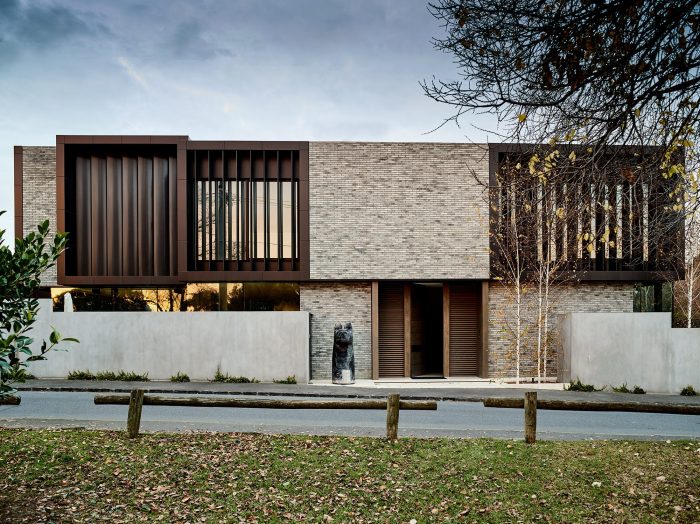
When it comes to contemporary buildings influenced by Robert Mills, sustainability practices play a crucial role in ensuring that these structures meet modern environmental standards while still honoring the historical aesthetic. Innovation in terms of technologies and materials also plays a significant role in creating modern constructions inspired by Mills.
Integration of Sustainability Practices
Contemporary buildings inspired by Robert Mills often integrate sustainable practices to reduce their environmental impact. This includes features such as energy-efficient HVAC systems, green roofs for natural insulation, and the use of recycled materials in construction. By incorporating these practices, architects pay homage to Mills’ legacy while adapting to the needs of the present.
Innovative Technologies and Materials
- One innovative technology commonly used in modern constructions inspired by Robert Mills is Building Information Modeling (BIM). This technology allows architects to create detailed 3D models of buildings, optimizing design efficiency and reducing waste during construction.
- In terms of materials, sustainable options like cross-laminated timber (CLT) are being increasingly used in contemporary buildings influenced by Mills. CLT is a durable and eco-friendly alternative to traditional construction materials like concrete and steel.
- Furthermore, advancements in glass technology have allowed architects to incorporate energy-efficient glazing systems that maximize natural light while minimizing heat loss, contributing to the overall sustainability of the building.
Balancing Historical Aesthetics and New Architectural Trends
One of the challenges in implementing Robert Mills-inspired architecture in contemporary cities is striking a balance between preserving historical aesthetics and embracing new architectural trends. Architects must carefully integrate modern elements while respecting the historical significance of Mills’ designs. This balance ensures that the buildings not only pay tribute to the past but also contribute to the evolving urban landscape.
Last Word
In conclusion, the legacy of Robert Mills continues to shape the skylines of contemporary cities, harmoniously blending sustainability, innovation, and historical charm. As we look towards the future, the echoes of Mills’ architectural brilliance remind us of the timeless beauty found in the intersection of past and present.
Q&A
How did Robert Mills influence contemporary urban architecture?
Robert Mills’ architectural principles, characterized by classical elements and symmetry, have inspired modern architects to create buildings that pay homage to historical designs while adapting to modern needs.
What cities showcase prominent examples of Robert Mills-inspired architecture today?
Washington D.C., Charleston, and Baltimore are notable cities where Robert Mills’ architectural influence can be seen in various structures, blending seamlessly with the urban fabric.
How do modern architects balance historical aesthetics with new architectural trends in urban development?
Modern architects navigate the fine line between preserving the historical charm of Mills-inspired architecture and integrating innovative technologies and sustainable practices to meet the demands of contemporary cityscapes.