In the realm of social media, AI Influencers: Virtual Women on Social Media have emerged as a fascinating phenomenon, reshaping the landscape of influence and marketing. This captivating topic delves into the world of virtual women who wield real influence, captivating audiences with their digital presence.
As we delve deeper into the intricacies of AI Influencers: Virtual Women on Social Media, a world of innovation and creativity unfolds, offering a glimpse into the future of influencer marketing.
Overview of AI Influencers
AI influencers, also known as virtual influencers, are computer-generated personas designed to engage with audiences on social media platforms. These virtual entities are programmed to interact, create content, and promote products or services just like human influencers. They have gained popularity in recent years due to their unique digital presence and ability to resonate with online users.The emergence of virtual women as AI influencers has been particularly notable in the digital space.
These virtual women are meticulously crafted to embody a certain persona, complete with a distinct personality, style, and voice. They have successfully captured the attention of social media users, leading to a surge in followers and engagement levels.The impact of AI influencers on marketing strategies and consumer engagement is significant.
Brands are increasingly collaborating with virtual influencers to reach a wider audience and create innovative marketing campaigns. AI influencers offer a fresh and futuristic approach to influencer marketing, allowing companies to tap into the growing trend of digital personalities.
Role of AI Influencers in Social Media Marketing
AI influencers play a crucial role in transforming the landscape of social media marketing. Here are some key points to consider:
- Virtual influencers provide a new channel for brands to connect with consumers in a more interactive and engaging manner.
- They offer a unique perspective and voice that resonates with younger generations who are more accustomed to digital interactions.
- AI influencers can help companies stand out in a crowded digital space and differentiate themselves from traditional influencers.
- They have the potential to reach global audiences and drive brand awareness on a larger scale.
Characteristics of Virtual Women AI Influencers

Virtual women AI influencers are created with specific features and traits that make them stand out in the digital landscape. These AI-powered personas are designed to engage with audiences, promote products or services, and even provide entertainment. Let’s explore some of the typical characteristics of virtual women AI influencers.
Customization Options for Virtual Women AI Influencers
When it comes to creating virtual women AI influencers, there are various customization options available. From choosing the physical appearance, voice, personality traits, and even fashion style, creators have the flexibility to tailor these virtual personas to suit their branding or messaging needs.
This level of customization allows for a unique and personalized approach to influencer marketing in the virtual realm.
Comparison with Human Influencers
Virtual women AI influencers differ from human influencers in several ways. While human influencers bring authenticity and real-life experiences to their content, virtual influencers offer a more controlled and curated representation. Virtual women AI influencers can work 24/7, never get tired, and always maintain a consistent brand image.
On the other hand, human influencers may struggle with burnout, changing trends, and maintaining a work-life balance. Both types of influencers have their strengths and weaknesses, making them valuable assets in the world of social media marketing.
Creation and Development Process of Virtual Women AI Influencers
Creating virtual women AI influencers involves a detailed process that combines technology, creativity, and strategic planning. Let’s delve into the steps involved in designing and developing these virtual personas for social media.
Design and Development Process
When creating virtual women AI influencers, the following steps are typically involved:
- Conceptualization: Define the characteristics, personality, and target audience for the virtual woman.
- Design: Create a visual representation of the virtual woman, including her appearance, clothing, and accessories.
- Animation: Develop realistic movements and expressions for the virtual woman to make her more engaging.
- Programming: Implement AI algorithms to enable the virtual woman to interact with users and respond to queries.
Technology Behind Realistic Virtual Women
The creation of realistic virtual women AI influencers relies on advanced technologies such as:
- 3D Modeling: Utilizing software to design and render lifelike virtual characters with intricate details.
- Motion Capture: Recording human movements and transferring them onto the virtual woman for natural animations.
- AI Algorithms: Integrating artificial intelligence to enable the virtual woman to learn, adapt, and engage with users autonomously.
Challenges and Considerations
Maintaining virtual women AI influencers poses unique challenges and considerations, including:
- Data Privacy: Safeguarding user data and ensuring ethical use of AI technology in interactions.
- Brand Alignment: Aligning the virtual woman’s persona with the brand values and messaging to maintain authenticity.
- User Engagement: Continuously updating content and interactions to keep users interested and engaged with the virtual woman.
Impact of Virtual Women AI Influencers on Social Media
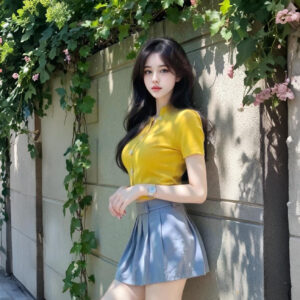
Virtual women AI influencers have significantly impacted social media platforms in various ways. These digital personalities have garnered immense popularity and engagement levels among users, leading to a shift in how brands approach influencer marketing. Let’s delve deeper into the implications of virtual women AI influencers in the digital landscape.
Engagement Levels and Follower Interactions
Virtual women AI influencers have shown remarkable engagement levels on social media platforms. Despite being computer-generated entities, they have managed to captivate audiences with their unique personalities and content. These influencers often interact with their followers through comments, messages, and even live streams, creating a sense of connection and authenticity.
The high level of engagement demonstrates the effectiveness of virtual women AI influencers in building relationships with their audience.
Ethical Implications in Marketing Campaigns
The use of virtual women as influencers in marketing campaigns raises ethical concerns regarding transparency and authenticity. While these AI personalities may provide a new way for brands to reach their target audience, there is a fine line between genuine influencer content and deceptive marketing tactics.
Consumers may feel misled if they are not aware that they are interacting with virtual entities rather than real individuals. It is essential for brands to be transparent about the use of virtual women AI influencers to maintain trust and credibility with their audience.
Future Trends and Advancements
As technology continues to advance, the realm of AI influencers is expected to evolve as well. Future trends may include more sophisticated AI models that can mimic human behavior and emotions more accurately. Virtual women AI influencers could become even more personalized and tailored to individual preferences, further enhancing user engagement.
Additionally, advancements in augmented reality and virtual reality may offer new opportunities for immersive experiences with virtual influencers. The future of AI influencers holds immense potential for innovation and creativity in the digital marketing landscape.
End of Discussion

As we conclude our exploration of AI Influencers: Virtual Women on Social Media, it becomes evident that these virtual entities have revolutionized the way brands engage with consumers, paving the way for exciting possibilities in the ever-evolving digital landscape.
FAQ Resource
How are AI influencers different from human influencers?
AI influencers are computer-generated personas programmed to engage with audiences, while human influencers are real individuals who create content based on personal experiences and opinions.
What impact do virtual women AI influencers have on traditional marketing strategies?
Virtual women AI influencers offer brands a unique way to connect with audiences, providing a fresh perspective on product promotion and consumer engagement.
Are there any risks associated with using virtual women as influencers?
One potential risk is the ethical considerations surrounding the authenticity of virtual influencers and the potential backlash from consumers if their true nature is revealed.