Delve into the world of architectural rendering software in 2025, where innovation and technology collide to shape the future of design. From virtual reality integration to collaborative tools, this topic explores the cutting-edge features studios are utilizing to bring their projects to life.
As we journey through the evolution of rendering software and its impact on the architectural landscape, prepare to be amazed by the possibilities that lie ahead.
Overview of Architectural Rendering Software in 2025
In 2025, architectural rendering software has evolved significantly from its earlier versions, incorporating advanced features and technologies to enhance the visualization and design process for architectural studios.
Evolution of Architectural Rendering Software
- Initially, architectural rendering software was limited in terms of realism and interactivity, often producing static images with basic textures.
- Over the years, software developers have focused on improving rendering quality by incorporating features like ray tracing, global illumination, and realistic material simulations.
- The integration of virtual reality (VR) and augmented reality (AR) technologies has also transformed how architects and clients interact with architectural models, providing immersive experiences.
Key Features Expected in Software Used by Studios in 2025
- Real-time rendering capabilities to allow instant visualization of design changes.
- AI-driven tools for automating repetitive tasks and enhancing design workflows.
- Enhanced collaboration features for seamless communication among team members and clients.
- Compatibility with emerging technologies like 5G networks and IoT devices for a connected design ecosystem.
Impact of Advancements in Technology on Rendering Software
- The advancements in hardware, such as powerful GPUs and CPUs, have enabled rendering software to handle complex scenes with ease, reducing rendering times.
- Cloud computing has provided architectural studios with the flexibility to scale their rendering capabilities based on project requirements, leading to cost-effective solutions.
- Machine learning algorithms have been integrated into rendering software to improve predictive rendering and streamline the design process.
Leading Architectural Rendering Software in 2025
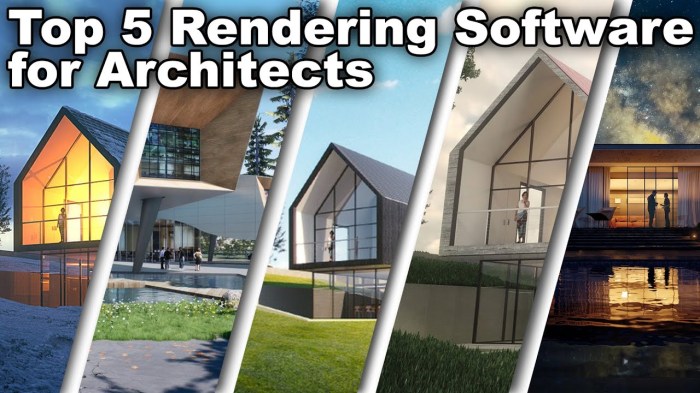
In 2025, architectural rendering software has evolved to meet the ever-growing demands of design studios around the world. Let’s take a look at some of the top software platforms that are leading the way in the industry.
1. Autodesk 3ds Max
Autodesk 3ds Max continues to be a popular choice for many design studios due to its robust features and versatility. One of its unique selling points is its ability to handle complex 3D modeling and rendering tasks with ease. Studios appreciate its user-friendly interface and extensive library of plugins, making it a go-to software for architectural visualization projects.
2. Lumion
Lumion has gained significant traction in the architectural rendering software market due to its focus on creating realistic visualizations quickly and efficiently. Its unique selling point lies in its real-time rendering capabilities, allowing designers to see changes instantly. Studios value Lumion for its fast workflow and high-quality output, making it ideal for presentations and client approvals.
3. V-Ray
V-Ray remains a top choice for design studios looking for high-quality photorealistic renderings. Its unique selling point is its advanced lighting and shading tools, which help create stunning visual effects. V-Ray is known for its integration with popular 3D modeling software like Autodesk Maya and Cinema 4D, catering to studios that require sophisticated rendering solutions.
4. Blender
Blender has established itself as a powerful and cost-effective option for design studios of all sizes. Its unique selling point is its open-source nature, allowing for a strong community of developers to continuously improve the software. Studios appreciate Blender for its comprehensive set of tools, including modeling, texturing, animation, and rendering capabilities.
5. Unreal Engine
Unreal Engine has become increasingly popular in the architectural visualization industry, thanks to its real-time rendering capabilities and immersive experiences. Its unique selling point is its ability to create interactive 3D environments that clients can explore in real-time. Studios benefit from Unreal Engine’s high-quality visuals and dynamic lighting features, making it ideal for creating engaging presentations and walkthroughs.
Integration of VR and AR in Rendering Software
Virtual reality (VR) and augmented reality (AR) have revolutionized the field of architectural rendering software by providing immersive experiences for designers and clients alike. By integrating VR and AR technologies, architectural studios can offer a more interactive and realistic visualization of their projects.
Studios Utilizing VR/AR Features
- Studio A: Studio A has been incorporating VR technology into their architectural projects to allow clients to virtually walk through the spaces before construction even begins. This helps in better understanding the design and making necessary changes early on.
- Studio B: Studio B utilizes AR features in their rendering software to overlay digital models onto the physical environment. This enables architects to visualize how the building will look in its actual surroundings, enhancing the design process.
Benefits of Incorporating VR/AR
- Enhanced Visualization: VR and AR technology provide a more immersive and realistic experience, allowing clients to better understand the scale, proportions, and design details of a project.
- Improved Communication: By using VR and AR features, architects can communicate their design ideas more effectively to clients, leading to better collaboration and decision-making.
- Efficient Design Process: Integrating VR and AR into rendering software streamlines the design process by identifying potential issues early on, reducing costly changes during construction.
- Competitive Edge: Studios that embrace VR and AR technologies have a competitive advantage in the market, attracting clients who value innovation and cutting-edge visualization techniques.
Collaborative Features in Architectural Rendering Software
In the fast-paced world of architecture and design, collaboration is key to success. Architectural rendering software has evolved to include a variety of collaborative features that enhance teamwork and communication within design teams.These collaborative tools allow multiple users to work on the same project simultaneously, share feedback in real-time, and make decisions together.
This level of collaboration streamlines the design process, reduces errors, and ensures that everyone is on the same page throughout the project.
Real-time Editing and Feedback
- Architectural rendering software now allows team members to edit and make changes to a project in real-time. This means that changes made by one team member are instantly visible to all others, facilitating quick decision-making and reducing the need for back-and-forth communication.
- Feedback can be provided directly within the software, with annotations, comments, and suggestions easily shared among team members. This ensures that everyone is aware of the changes being made and can provide input at every stage of the design process.
Project Management and Version Control
- Collaborative features in rendering software include project management tools that help teams stay organized, assign tasks, and track progress. This ensures that everyone is working towards the same goals and deadlines.
- Version control functionality allows teams to track changes made to a project, revert to previous versions if needed, and ensure that everyone is working on the most up-to-date version of the design. This prevents confusion and ensures that all team members are aligned.
Successful Projects with Collaborative Features
One notable example of successful collaboration using architectural rendering software is the design of a large-scale mixed-use development in a major city. The design team utilized real-time editing and feedback tools to quickly iterate on the project, incorporate client feedback, and make adjustments on the fly. This level of collaboration resulted in a stunning final design that met the client’s needs and exceeded expectations.
Sustainability and Environmental Simulation Tools
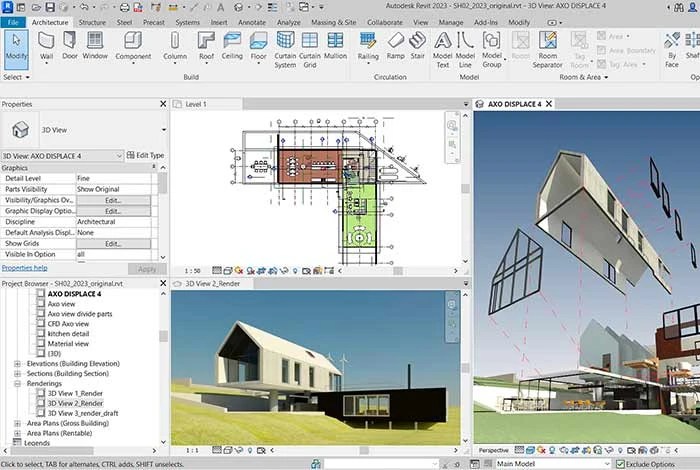
In 2025, architectural rendering software plays a crucial role in addressing sustainability and environmental concerns within the industry. These advanced tools are designed to help architects and designers create environmentally friendly buildings and structures by simulating various environmental factors.
Importance of Environmental Simulation Tools
Environmental simulation tools are vital in modern architectural projects as they allow designers to analyze the impact of their designs on the environment. By simulating factors such as sunlight, wind flow, and energy consumption, architects can optimize their designs to reduce energy usage and minimize environmental impact.
- One example of the importance of environmental simulation tools is their ability to optimize building orientation to maximize natural light and reduce the need for artificial lighting. By simulating sunlight at different times of the day and year, architects can ensure that buildings are well-lit without excessive energy consumption.
- Another case is the simulation of wind flow around buildings to improve ventilation and reduce the need for mechanical cooling systems. By analyzing how wind interacts with a building, designers can create structures that are naturally ventilated and energy-efficient.
- Environmental simulation tools also help architects assess the energy performance of their designs and identify areas where energy-saving measures can be implemented. By simulating energy consumption and efficiency, architects can create sustainable buildings that meet or exceed environmental standards.
End of Discussion
In conclusion, Architectural Rendering Software: What Studios Use in 2025 showcases the dynamic nature of design tools and how they are revolutionizing the way architects visualize and create their projects. With sustainability, VR/AR integration, and collaborative features paving the way, the future of architectural rendering is indeed an exciting frontier to explore.
FAQ Explained
What are some key features expected in architectural rendering software used by studios in 2025?
In 2025, studios are anticipating features such as real-time rendering, AI-powered design suggestions, and seamless VR/AR integration.
How do collaborative tools in rendering software enhance teamwork within design teams?
Collaborative tools promote real-time collaboration, allowing team members to work simultaneously on projects, share feedback, and make revisions efficiently.
Why is sustainability important in modern architectural projects and how does rendering software address environmental concerns?
Sustainability is crucial for minimizing the environmental impact of buildings. Rendering software in 2025 includes environmental simulation tools to analyze energy efficiency and eco-friendly design options.