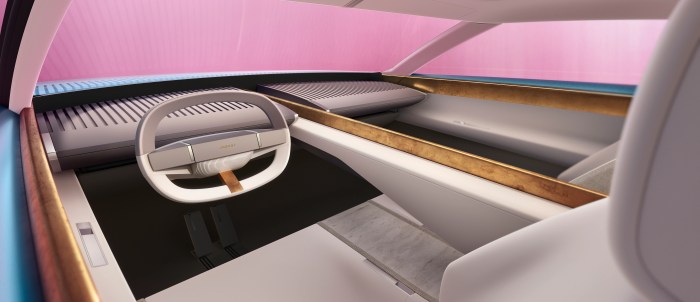
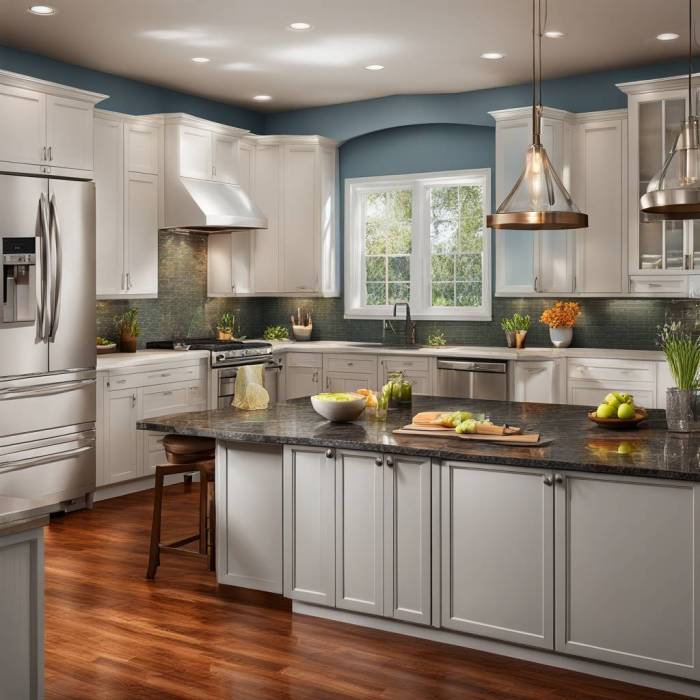
Diving into the realm of interior architecture, this introduction offers a fascinating glimpse into the art of designing spaces that seamlessly blend aesthetics and functionality. From the intricacies of spatial planning to the innovative use of materials, interior architecture is a dynamic field that shapes our everyday environments in profound ways.
As we uncover the principles, materials, technology integration, and sustainable practices within interior architecture, we embark on a journey to understand how this discipline influences the way we interact with the spaces around us.
Introduction to Interior Architecture
Interior architecture is the art and science of designing and enhancing interior spaces to achieve a healthier and more aesthetically pleasing environment. It involves the manipulation of spatial volume, surface treatment, lighting, and other elements to create functional and visually appealing spaces.
Interior architecture plays a crucial role in shaping the way people interact with their surroundings, influencing their mood, behavior, and overall well-being.The relationship between interior architecture and interior design is closely intertwined, with interior architecture focusing on the structural aspects of a space, such as layout, circulation, and construction materials, while interior design deals with the aesthetics, furniture, color schemes, and decorative elements that enhance the space.Key elements that differentiate interior architecture from other design disciplines include a strong emphasis on functionality and practicality, a deep understanding of building codes and regulations, and the integration of technology and sustainable design principles.
Interior architects must consider not only the visual appeal of a space but also its usability, safety, and efficiency in order to create spaces that are both beautiful and functional.
Principles of Interior Architecture
Interior architecture is guided by several fundamental principles that shape the design process and overall outcome of a space. These principles are essential in creating functional, aesthetically pleasing, and harmonious interiors. Let’s explore how these principles influence design decisions and why spatial planning and functionality are crucial considerations in interior architecture.
Balance
Balance in interior architecture refers to the distribution of visual weight in a space. It can be achieved through symmetrical or asymmetrical arrangements of elements such as furniture, lighting, and accessories. For example, a room with a large, visually heavy sofa on one side can be balanced by placing a group of smaller chairs or a piece of artwork on the opposite side.
This principle helps create a sense of equilibrium and visual stability.
Unity
Unity in interior architecture involves creating a cohesive and harmonious design scheme throughout a space. This can be achieved through consistent use of color palettes, materials, and design styles. For instance, using a consistent color scheme and repeating certain design elements like geometric patterns or textures can help tie different areas of a space together, creating a unified look and feel.
Rhythm
Rhythm in interior architecture refers to the visual flow and movement created by repeating elements or patterns in a space. This can be seen in the placement of furniture along a hallway, the rhythm of windows along a facade, or the repetition of a particular shape or motif in a room.
By creating a sense of rhythm, designers can guide the eye through a space and create a sense of visual interest and continuity.
Emphasis
Emphasis is about creating a focal point or center of interest in a space. This can be achieved through the use of color, texture, lighting, or a standout piece of furniture or artwork. By highlighting certain elements, designers can draw attention to specific areas of a space and create a sense of hierarchy, guiding the viewer’s gaze and creating visual impact.
Functionality and Spatial Planning
Functionality and spatial planning are key considerations in interior architecture. Designers must carefully analyze the needs and activities that will take place in a space to determine the most efficient layout and organization of elements. By prioritizing functionality and considering how people will interact with the space, designers can create interiors that not only look good but also work well for their intended purpose.
Materials and Finishes in Interior Architecture
When it comes to interior architecture, the selection of materials and finishes plays a crucial role in defining the overall look and feel of a space. These choices not only impact the aesthetics but also influence the functionality and durability of the design.
The Importance of Selecting Appropriate Materials and Finishes
Choosing the right materials and finishes is essential for ensuring that the design concept is brought to life effectively. The selected materials should align with the design vision, budget constraints, and the practical needs of the space.
How Different Materials Impact Aesthetics and Functionality
- Wood: Adds warmth and natural elements to a space, suitable for creating a cozy atmosphere.
- Metal: Provides a modern and industrial look, often used for sleek and minimalist designs.
- Glass: Enhances the sense of space and light, ideal for creating an open and airy feel.
- Concrete: Offers a rugged and contemporary aesthetic, commonly used in urban and industrial-inspired interiors.
Examples of Innovative Use of Materials in Interior Architecture Projects
- Living Moss Walls: Integrating living moss into interior walls for a biophilic design approach, promoting a connection with nature.
- Recycled Plastic Furniture: Creating eco-friendly furniture pieces by utilizing recycled plastic materials, contributing to sustainability efforts.
- Textured Concrete Finishes: Applying textured finishes to concrete surfaces for a unique and tactile experience, adding depth to the design.
Technology Integration in Interior Architecture
Technology plays a crucial role in modern interior architecture, transforming the way spaces are designed, constructed, and experienced. Advancements in technology have revolutionized interior design processes, enhancing efficiency, creativity, and functionality.
Smart Home Technologies
Smart technologies have been seamlessly integrated into interior architecture projects, offering innovative solutions for convenience, comfort, and sustainability. Examples include:
- Smart lighting systems that adjust brightness and color temperature based on natural light and user preferences.
- Automated climate control systems that optimize energy usage and maintain optimal indoor temperatures.
- Integrated sound systems that provide immersive audio experiences throughout the space.
Virtual Reality and Augmented Reality
Virtual reality (VR) and augmented reality (AR) technologies have revolutionized the design process, allowing designers to create immersive 3D visualizations of spaces before construction begins. This enables clients to experience and visualize the final design, making informed decisions and adjustments.
Building Information Modeling (BIM)
Building Information Modeling (BIM) software enables interior architects to create detailed 3D models of spaces, incorporating information on materials, finishes, lighting, and furniture. This technology enhances collaboration, coordination, and communication among project stakeholders, leading to more efficient and accurate design outcomes.
Sustainable Practices in Interior Architecture
Sustainability plays a crucial role in interior architecture, as it focuses on creating spaces that are environmentally friendly, energy-efficient, and healthy for occupants. Integrating sustainable practices not only reduces the impact on the environment but also promotes a healthier lifestyle.
Integration of Sustainable Design Principles
In interior architecture projects, sustainable design principles are integrated in various ways to ensure eco-friendly and energy-efficient spaces. This includes:
- Utilizing natural lighting and ventilation to reduce energy consumption
- Incorporating energy-efficient appliances and fixtures
- Using recycled and sustainable materials for construction and furnishings
- Implementing water-saving fixtures and systems
- Designing spaces that promote indoor air quality and occupant well-being
Examples of Green Building Techniques and Sustainable Materials
Green building techniques and sustainable materials are essential in interior architecture to minimize the environmental impact of construction and maintenance. Some common examples include:
- Installing green roofs to reduce heat island effect and improve insulation
- Using reclaimed wood for flooring, furniture, and wall finishes
- Specifying low-VOC paints and finishes to improve indoor air quality
- Implementing smart home technology to optimize energy use and improve comfort
- Utilizing recycled glass or concrete countertops for kitchen and bathroom spaces
Outcome Summary
In conclusion, interior architecture stands as a testament to the power of design in shaping our experiences within built environments. By embracing a harmonious blend of creativity, functionality, and sustainability, interior architecture continues to push boundaries and redefine the way we inhabit and perceive spaces.
FAQs
What sets interior architecture apart from interior design?
Interior architecture focuses more on the structural aspects of a space, such as layout and spatial planning, while interior design is more concerned with aesthetics and decoration.
How do materials impact interior architecture?
Materials play a crucial role in both the aesthetics and functionality of a space in interior architecture. They can dictate the overall look and feel of a design while also influencing its durability and performance.
Why is sustainability important in interior architecture?
Sustainability is vital in interior architecture to minimize environmental impact, promote healthier living environments, and ensure long-term viability of designs.