Embark on a journey through the world of interior design, where creativity meets functionality to shape captivating environments. From color schemes to furniture placement, this field offers a plethora of possibilities to transform any space.
Delve deeper into the nuances of interior design as we explore its various aspects and shed light on the artistry behind creating aesthetically pleasing interiors.
Overview of Interior Design
Interior design is the art and science of enhancing the interior of a space to achieve a healthier and more aesthetically pleasing environment for the people using it. It involves creating a cohesive look and feel by carefully selecting and arranging elements such as color, texture, lighting, and furniture.
Interior design plays a crucial role in shaping spaces, influencing how people interact with their surroundings and improving the overall quality of life.
Key Elements of Interior Design
Color, texture, lighting, and furniture placement are key elements that interior designers focus on to create functional and visually appealing interiors:
- Color:Colors have the power to evoke emotions and set the mood of a space. Interior designers carefully select color schemes to create the desired atmosphere and enhance the overall design.
- Texture:Texture adds depth and dimension to a room. By incorporating a mix of textures such as smooth, rough, soft, and shiny, designers create visual interest and tactile appeal.
- Lighting:Proper lighting is essential in interior design as it affects the ambiance, visibility, and functionality of a space. Designers use a combination of natural and artificial lighting to highlight certain features and create different moods.
- Furniture Placement:The arrangement of furniture not only affects the flow of a room but also its functionality. Interior designers consider factors such as traffic flow, focal points, and comfort when placing furniture to optimize space and create a harmonious layout.
Role of Interior Designers
Interior designers play a crucial role in transforming empty spaces into functional and aesthetically pleasing environments. They work closely with clients to understand their needs and preferences, develop design concepts, and oversee the implementation of the project. By combining creativity, technical expertise, and problem-solving skills, interior designers create spaces that reflect the personality and lifestyle of the occupants while ensuring comfort, functionality, and visual appeal.
Interior Design Styles
Interior design styles play a crucial role in shaping the overall look and feel of a space. From modern and minimalist to traditional and bohemian, each style brings its own unique characteristics and ambiance. Let’s explore some popular interior design styles and compare their key features.
Modern Style
Modern interior design is characterized by clean lines, simple color palettes, and a focus on functionality. Furniture choices often include sleek and minimalist designs, with a preference for materials like glass, metal, and leather. Iconic projects that showcase modern style include the work of renowned designer, Kelly Wearstler.
Minimalist Style
Minimalist design emphasizes simplicity and a clutter-free environment. Color schemes are typically neutral, with an emphasis on natural light and open spaces. Furniture choices are sleek and understated, with a focus on quality over quantity. The Farnsworth House by architect Ludwig Mies van der Rohe is a prime example of minimalist interior design.
Traditional Style
Traditional interior design is known for its classic and timeless appeal. Rich colors, intricate patterns, and ornate details are key elements of this style. Furniture choices often include dark woods, plush fabrics, and elegant accessories. The White House is a prime example of traditional interior design.
Industrial Style
Industrial design draws inspiration from old factories and warehouses, featuring raw materials like exposed brick, metal, and concrete. Color schemes are typically muted, with a focus on utilitarian elements. Furniture choices often include distressed leather sofas, reclaimed wood tables, and metal accents.
The Ace Hotel in New York City exemplifies industrial interior design.
Bohemian Style
Bohemian design embraces creativity, eclecticism, and a sense of wanderlust. Color schemes are vibrant and eclectic, with a mix of patterns and textures. Furniture choices are often vintage or globally-inspired, with a focus on comfort and personal expression. The Jungalow by designer Justina Blakeney is a prime example of bohemian interior design.
Principles of Interior Design
Interior design is not just about choosing colors and furniture; it also involves adhering to fundamental principles to create a harmonious and visually appealing space. Five key principles guide interior designers in achieving well-balanced and cohesive designs: balance, harmony, rhythm, emphasis, and proportion.
Balance
Balance in interior design refers to the distribution of visual weight in a room. There are three types of balance: symmetrical, asymmetrical, and radial. Symmetrical balance involves mirroring elements on either side of a central axis, while asymmetrical balance achieves equilibrium through contrast and variety.
Radial balance emanates from a central point, with elements radiating outward in a circular pattern.
Harmony
Harmony in interior design involves creating a sense of unity and cohesion throughout a space. This can be achieved through color schemes, materials, and textures that complement each other. A harmonious space feels visually pleasing and balanced, with all elements working together seamlessly.
Rhythm
Rhythm in interior design refers to the visual flow and movement created by repeating patterns, colors, or textures. It can be achieved through the repetition of elements like shapes, lines, or colors to create a sense of continuity and movement throughout a space.
Emphasis
Emphasis is about creating focal points in a room to draw attention and create visual interest. Interior designers use contrast, color, scale, or unique elements to highlight certain features or areas in a space. Emphasis helps guide the eye and create a sense of hierarchy in design.
Proportion
Proportion in interior design relates to the size and scale of elements in relation to each other and the space as a whole. Maintaining proper proportion ensures that furniture, decor, and architectural features fit together harmoniously and create a visually pleasing environment.By understanding and applying these fundamental principles of interior design, designers can create spaces that are not only aesthetically pleasing but also functional and well-balanced.
Each principle plays a vital role in shaping the layout and design of interior spaces, ultimately contributing to the overall success of a project.
Color Theory in Interior Design
Color plays a crucial role in interior design, influencing the mood and atmosphere of a space. Understanding color theory can help designers create harmonious and visually appealing interiors.
Psychological Effects of Colors
Color psychology is the study of how colors affect human behavior and emotions. Different colors can evoke various feelings and reactions in individuals. For example:
- Blue: Known for its calming and serene qualities, blue is often used in bedrooms and bathrooms to create a sense of relaxation.
- Red: A dynamic and energetic color, red can stimulate appetite and conversation, making it a popular choice for dining areas.
- Yellow: Symbolizing happiness and energy, yellow is ideal for spaces where creativity and positivity are encouraged.
- Green: Associated with nature and tranquility, green is perfect for promoting a sense of balance and harmony in a room.
Color Schemes in Interior Design
Color schemes are combinations of colors that work well together and can create different effects in a space. Some common color schemes include:
- Monochromatic: Using different shades of a single color to create a cohesive and harmonious look.
- Analogous: Combining colors that are next to each other on the color wheel for a subtle and unified palette.
- Complementary: Pairing colors that are opposite each other on the color wheel to create a vibrant and dynamic contrast.
- Triadic: Selecting three colors that are evenly spaced on the color wheel to achieve a vibrant and balanced scheme.
Tips for Using Color Effectively
- Aim for balance: Use a mix of warm and cool colors to create a harmonious atmosphere.
- Consider the function of the space: Choose colors that support the activities that will take place in the room.
- Use accent colors: Introduce pops of color through accessories or accent walls to add visual interest.
- Test before committing: Paint samples on the walls or try out different color combinations with fabric swatches to see how they look in the space.
Furniture and Decor
When it comes to interior design, furniture and decor play a crucial role in shaping the overall look and feel of a space. The right furniture pieces and decor items can enhance the functionality, style, and ambiance of a room, creating a harmonious and inviting environment for inhabitants and guests alike.
Importance of Furniture Selection and Arrangement
Choosing the right furniture pieces and arranging them thoughtfully in a space is essential for creating a functional and aesthetically pleasing interior design. Here are key points to consider when selecting and arranging furniture:
- Function: Prioritize the functionality of the furniture pieces to ensure they serve their intended purpose. Consider the needs and lifestyle of the occupants when choosing furniture.
- Style: Select furniture pieces that complement the overall style of the space. Whether it’s modern, traditional, eclectic, or minimalist, cohesive furniture choices contribute to a cohesive design scheme.
- Scale: Pay attention to the scale of the furniture in relation to the size of the room. Oversized furniture can overwhelm a space, while undersized pieces may look out of place.
Decorating with Accessories
In addition to furniture, accessories like rugs, pillows, artwork, and plants are essential elements in interior design that add personality and character to a space. Here are some creative ideas for decorating with accessories:
- Use rugs to define different areas within a room and add warmth and texture to the floor.
- Incorporate throw pillows in varying sizes, shapes, and textures to add color and comfort to seating areas.
- Hang artwork strategically to create focal points and add visual interest to walls.
- Integrate plants and greenery to bring life and freshness into the space, creating a connection to nature indoors.
Lighting Design
Lighting plays a crucial role in enhancing the ambiance and functionality of a space, making it essential in interior design. By strategically incorporating various types of lighting fixtures, you can create a well-lit and inviting environment that complements the overall design of the space.
Types of Lighting Fixtures
- Ambient Lighting: This type of lighting provides overall illumination to the space, ensuring a comfortable and well-lit environment. Common sources include ceiling-mounted fixtures, chandeliers, and wall sconces.
- Task Lighting: Task lighting is focused on specific areas where activities such as reading, cooking, or working take place. Desk lamps, under-cabinet lighting, and pendant lights are examples of task lighting fixtures.
- Accent Lighting: Accent lighting is used to highlight specific features or objects in the space, creating visual interest and depth. Track lighting, wall-mounted fixtures, and recessed lights are commonly used for accent lighting.
Layering Lighting for Optimal Design
Layering lighting involves combining different types of fixtures to create a balanced and visually appealing lighting scheme. Here are some tips on how to effectively layer lighting:
- Start with ambient lighting to establish a base level of illumination throughout the space.
- Add task lighting in areas where specific activities take place, ensuring adequate brightness for the tasks at hand.
- Incorporate accent lighting to highlight architectural features, artwork, or focal points, adding depth and visual interest to the space.
- Consider the use of dimmer switches to adjust the intensity of the light and create different moods as needed.
Space Planning and Layout
Space planning involves organizing and arranging furniture, fixtures, and other elements within a room to optimize functionality and flow. The layout of a space significantly impacts how people interact with it, affecting both aesthetics and usability.
Living Rooms
In a living room, consider creating conversation areas with seating arrangements that promote social interaction. Place furniture in a way that allows for easy movement and access to focal points like the television or fireplace.
Bedrooms
For bedrooms, prioritize creating a soothing and comfortable environment. Position the bed as the focal point and ensure there is ample space for storage solutions like dressers and closets. Utilize bedside tables for functionality and balance.
Kitchens
Efficient kitchen layouts focus on the work triangle between the sink, stove, and refrigerator. Optimize counter space for meal preparation and ensure easy access to essential tools and utensils. Consider incorporating an island for additional workspace and seating.
Bathrooms
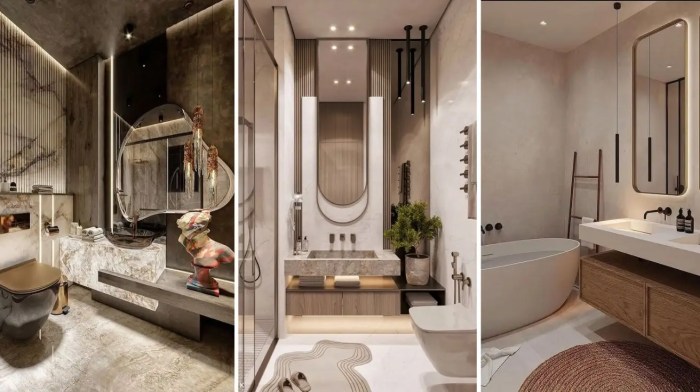
In bathrooms, maximize functionality by organizing fixtures like the sink, toilet, and shower in a logical layout. Utilize storage solutions like cabinets and shelves to keep the space clutter-free. Pay attention to lighting and ventilation for a comfortable and inviting atmosphere.
Last Point
As we conclude our exploration of interior design, it becomes evident that this art form goes beyond mere decoration—it’s about curating experiences and enhancing the way we interact with our surroundings. Dive into the realm of interior design and unleash your creativity to transform spaces into works of art.
FAQ Resource
What is the significance of interior design?
Interior design plays a crucial role in shaping spaces by blending functionality with aesthetics to create harmonious environments.
How do interior designers apply color theory?
Interior designers use color theory to evoke emotions, create visual interest, and establish a cohesive atmosphere within a space.
Why is space planning important in interior design?
Space planning ensures optimal functionality and flow within a room by strategically arranging furniture and considering the layout.
What are some popular interior design styles?
Popular interior design styles include modern, minimalist, traditional, industrial, and bohemian, each characterized by unique elements and aesthetics.
How does lighting design impact interior spaces?
Lighting design enhances ambiance and functionality, playing a key role in setting the mood and highlighting architectural features.