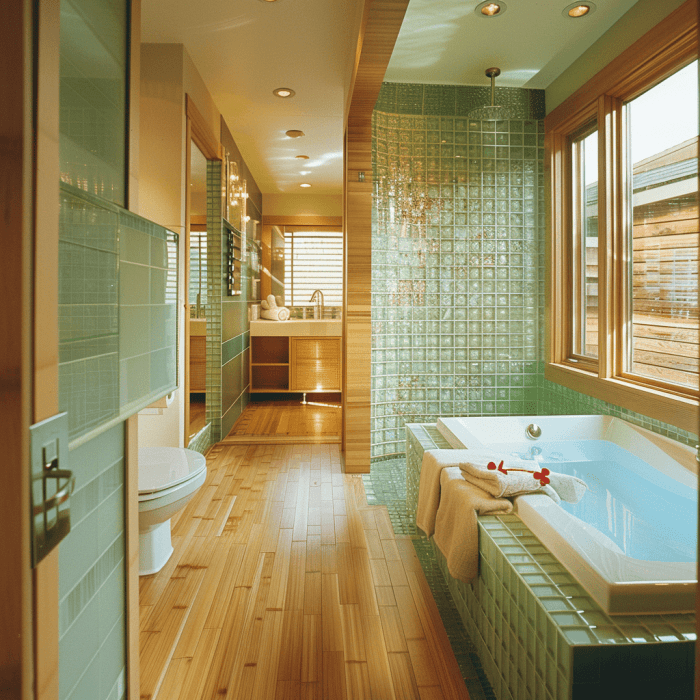
As room interior design takes center stage, this opening passage beckons readers into a world crafted with good knowledge, ensuring a reading experience that is both absorbing and distinctly original. From understanding the importance of room interior design in creating functional and aesthetically pleasing spaces to exploring key elements and design styles, this guide is your go-to resource for transforming any room into a masterpiece.
Introduction to Room Interior Design
Room interior design is the art and science of enhancing the interior of a room to create a functional and aesthetically pleasing space. It involves the selection of furniture, color schemes, lighting, and decorative elements to transform a room into a comfortable and visually appealing environment.
Good interior design can have a significant impact on mood, productivity, and overall well-being. By carefully planning and designing a room, it can help create a space that promotes relaxation, focus, and positivity. On the other hand, poorly designed spaces can lead to feelings of discomfort, stress, and inefficiency.
Popular Interior Design Styles for Rooms
- Scandinavian: Known for its minimalist and functional approach, Scandinavian design emphasizes simplicity, clean lines, and natural materials.
- Minimalist: Characterized by simplicity, minimalism focuses on essential elements and a clutter-free environment to create a sense of calm and serenity.
- Industrial: Inspired by warehouses and factories, industrial design features raw materials, exposed architectural elements, and a blend of modern and vintage pieces.
- Modern: With a focus on sleek lines, neutral colors, and a balance of form and function, modern design creates a timeless and sophisticated look.
Elements of Room Interior Design
When it comes to room interior design, several key elements play a crucial role in shaping the ambiance and functionality of a space. These elements include furniture, lighting, color schemes, textures, and accessories. Understanding how each of these components contributes to the overall design can help create a cohesive and visually appealing room.
Furniture
The choice of furniture in a room is essential as it not only serves a functional purpose but also contributes to the overall aesthetic. From sofas and chairs to tables and storage units, each piece of furniture can enhance the style of a room and provide comfort for its occupants.
Lighting
Lighting plays a significant role in setting the mood and ambiance of a room. Whether through natural light, overhead fixtures, or task lighting, the right lighting can highlight key features, create a cozy atmosphere, and make a space feel larger or more intimate.
Color Schemes
The color scheme of a room sets the tone for the space and can greatly impact its overall feel. Whether using bold and vibrant colors or soft and neutral hues, the right color palette can evoke different emotions and create a harmonious design scheme.
Textures
Textures add depth and visual interest to a room’s design. From smooth surfaces to rough finishes, incorporating a variety of textures can create a dynamic and inviting space. Mixing materials like wood, metal, fabric, and glass can add richness to the room’s aesthetic.
Accessories
Accessories such as artwork, rugs, pillows, and decorative items add personality and style to a room. These finishing touches can tie the design elements together, add pops of color, and showcase the homeowner’s unique taste and interests.
Space Planning and Layout
Space planning is a crucial aspect of room interior design as it involves maximizing the functionality and visual appeal of a space. By strategically arranging furniture and considering traffic flow, space planning can transform a room into a comfortable and aesthetically pleasing environment.When assessing room dimensions, it is important to take accurate measurements to ensure that furniture pieces fit properly and allow for adequate circulation space.
Considering traffic flow patterns helps determine the best layout to prevent congestion and create a seamless movement throughout the room. Identifying focal points, such as a fireplace or a large window, can guide the placement of furniture to enhance the overall design.
Different Room Layouts
- Open-Concept Layout: This layout removes barriers between the different areas of a room, creating a sense of spaciousness and connectivity. It is ideal for entertaining and maximizing natural light.
- L-Shaped Layout: This layout utilizes two perpendicular walls to create an L-shaped arrangement, allowing for designated zones within a room while maintaining an open feel.
- U-Shaped Layout: This layout features furniture placement along three walls, forming a U-shape that promotes conversation and interaction in a room.
Color Theory and Palette Selection
Understanding color theory and selecting the right color palette are crucial aspects of room interior design. Colors play a significant role in setting the mood, creating visual interest, and influencing the perception of space.
Basics of Color Theory
Color theory is the study of how colors interact with each other. It consists of the color wheel, which is divided into primary colors (red, blue, and yellow), secondary colors (orange, green, and purple), and tertiary colors (a mix of primary and secondary colors).
- Complementary colors are opposite each other on the color wheel and create high contrast when used together.
- Analogous colors are next to each other on the color wheel and create a harmonious color scheme.
- Monochromatic colors are variations of the same color and create a cohesive look.
Tips for Choosing the Right Color Palette
When selecting a color palette for a room, consider the size of the space, the amount of natural light it receives, and the desired mood:
- For small rooms, lighter colors can make the space appear larger and more open.
- In rooms with limited natural light, warm colors like yellows and oranges can add warmth and brightness.
- To create a calming atmosphere, opt for cool colors like blues and greens.
Psychological Effects of Colors
Colors can evoke different emotions and impact the perception of a room:
- Red is associated with energy and passion but can be overwhelming in large doses.
- Blue is calming and promotes relaxation, making it ideal for bedrooms and living rooms.
- Yellow is cheerful and uplifting, perfect for kitchens and dining areas.
Furniture Selection and Arrangement
When it comes to room interior design, furniture selection and arrangement play a crucial role in defining the style, maximizing space, and ensuring functionality. Here are some guidelines and strategies to help you choose the right furniture pieces and arrange them effectively in your space.
Selecting Furniture
- Consider the room’s style: Choose furniture pieces that complement the overall style of the room, whether it’s modern, traditional, or eclectic.
- Take into account the room’s size: Opt for furniture that fits the scale of the room without overwhelming it or making it feel cramped.
- Think about functionality: Prioritize furniture that serves a purpose and meets your specific needs, such as storage solutions or seating options.
- Quality over quantity: Invest in high-quality furniture pieces that will stand the test of time and enhance the room’s aesthetic appeal.
Arranging Furniture
- Create a focal point: Arrange furniture around a focal point, such as a fireplace, large window, or artwork, to anchor the room and create visual interest.
- Establish traffic flow: Ensure there is enough space between furniture pieces to allow for easy movement and a comfortable flow of traffic throughout the room.
- Balance the layout: Distribute furniture evenly throughout the room to achieve a sense of balance and harmony in the space.
- Consider function: Arrange furniture based on its function and purpose, placing items like coffee tables within reach of seating areas and ensuring proper lighting for reading or working spaces.
Multi-functional Furniture Pieces
- Opt for convertible pieces: Choose furniture that can serve multiple purposes, such as a sofa bed or a storage ottoman, to maximize space in small rooms.
- Consider dual-purpose items: Look for furniture with built-in storage compartments, hidden functionality, or adjustable features to make the most of limited space.
- Explore modular options: Select modular furniture pieces that can be reconfigured or expanded to adapt to different room layouts and changing needs over time.
Lighting Design and Fixtures
Lighting plays a crucial role in enhancing the ambiance and functionality of a room. It can transform the mood, highlight specific areas, and even make a space feel more spacious.
Types of Lighting
- Ambient Lighting: This is the general lighting that illuminates the entire room evenly. It sets the overall tone and mood of the space.
- Task Lighting: Task lighting is focused on specific areas where activities like reading, cooking, or working take place. It provides adequate illumination for these tasks.
- Accent Lighting: Accent lighting is used to highlight architectural features, artwork, or any focal points in the room. It adds depth and dimension to the space.
Choosing Light Fixtures
- Consider the purpose of the lighting: Determine the function of each light fixture and choose accordingly.
- Match the style: Ensure that the light fixtures complement the overall design theme of the room.
- Layer the lighting: Create a layered lighting scheme by combining different types of lighting to achieve a balanced and versatile illumination.
- Pay attention to the intensity: Use dimmer switches to adjust the brightness levels according to the time of day and the desired ambiance.
Texture, Patterns, and Accessories
When it comes to room interior design, texture, patterns, and accessories play a crucial role in adding depth and visual interest to a space. By carefully selecting and arranging these elements, you can enhance the overall look and feel of a room.
Texture and Patterns
Adding different textures and patterns to a room can create a sense of dimension and richness. For example, you can mix a plush velvet sofa with a rough jute rug to create a balanced contrast. When combining patterns, consider using a mix of scaleslike pairing a large floral print with a small geometric pattern.
This will help create a visually appealing space without overwhelming the eye.
Accessories Selection
Accessories are the finishing touches that can tie a room’s design style together. Choose accessories that complement the overall theme of the room, whether it’s modern, traditional, or eclectic. For example, in a minimalist room, opt for sleek and simple accessories like metallic vases or geometric sculptures.
In a bohemian-inspired space, layer on colorful textiles, such as throw pillows and wall tapestries, to add warmth and personality.
Outcome Summary
In conclusion, room interior design is a fascinating journey that intertwines creativity, functionality, and personal style. By mastering the art of combining elements, colors, and textures, you can create a space that not only reflects your personality but also enhances your well-being.
Embrace the endless possibilities that room interior design offers and embark on a transformative design adventure today.
FAQs
How does room interior design impact mood and productivity?
Room interior design can significantly influence mood and productivity by creating a space that is visually appealing, organized, and tailored to individual needs.
What are some popular interior design styles for rooms?
Popular interior design styles for rooms include Scandinavian, minimalist, industrial, bohemian, and mid-century modern.
Why is lighting design important in room interior design?
Lighting design plays a crucial role in enhancing room ambiance and functionality by illuminating key areas, creating different moods, and highlighting design elements.